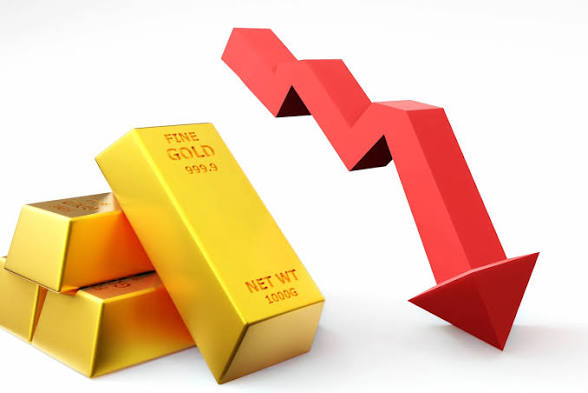
Gold prices came under renewed pressure on Thursday, September 10, 2026, falling by more than 1% as stronger-than-expected US producer inflation raised concerns about the Federal Reserve’s interest-rate outlook.
Spot gold fell around 1.2% to US$4,349.32 per troy ounce, while US gold futures declined approximately 1.6% to US$4,391.30 per troy ounce, according to Reuters.
The latest decline came after new US inflation data showed that producer prices continued to rise, adding another layer of uncertainty for financial markets ahead of the Federal Reserve’s upcoming policy meeting.
US Producer Inflation Remains Strong
The US Producer Price Index (PPI) increased 0.4% in August 2026. On an annual basis, producer prices were up 5.4%, compared with a 4.8% increase recorded in July.
Energy prices were among the major contributors, rising around 4.2% during the month. Goods prices also increased, while services prices posted a smaller gain.
Persistent producer inflation has become a key concern for investors because stronger price pressures could make it more difficult for the Federal Reserve to ease monetary policy.
Market Expectations for the Federal Reserve Shift
The latest inflation figures have also changed market expectations regarding the Federal Reserve’s next move.
According to CME FedWatch data cited by Reuters, market expectations for a potential rate increase at the Federal Reserve’s September 15–16, 2026 meeting rose to around 70%, compared with approximately 62% before the latest inflation figures were released.
However, a majority of economists surveyed by Reuters still expect the Federal Reserve to keep interest rates unchanged in September and through the remainder of the year.
The uncertainty has increased market volatility as investors assess inflation, employment conditions, energy prices and the direction of US monetary policy.
Stronger Dollar and Treasury Yields Pressure Gold
The US dollar and Treasury yields have also contributed to the pressure on gold.
Gold does not generate interest income. As bond yields rise, investors may see interest-bearing assets as relatively more attractive compared with non-yielding gold.
A stronger US dollar can also weigh on gold because the precious metal is priced in dollars, making it more expensive for buyers using other currencies.
Oil Prices Surge Above $100
While gold faced pressure, the energy market experienced a sharp move in the opposite direction.
Brent crude oil prices climbed around 4% to above US$105 per barrel on Thursday as concerns over potential supply disruptions intensified amid escalating geopolitical tensions and attacks affecting shipping routes in the Middle East.
The surge in oil prices presents a complicated outlook for gold.
On one hand, geopolitical tensions and concerns over global energy supplies can increase demand for gold as a safe-haven asset.
On the other hand, higher oil prices could contribute to inflation and encourage central banks to maintain tighter monetary policies for longer, potentially limiting gold’s upside.
Investors Await More US Inflation Data
The next major focus for financial markets will be additional US economic data, particularly the Consumer Price Index (CPI).
The CPI report will provide investors with another important indication of whether inflationary pressures are easing or remaining persistent.
With oil prices once again trading above US$100 per barrel, inflation risks are likely to remain a major factor in expectations for the Federal Reserve.
What Could Happen to Gold Next?
The latest decline does not necessarily mean that gold’s broader bullish trend has ended.
The precious metal is currently facing two opposing forces.
Higher interest rates, stronger Treasury yields and a stronger US dollar could continue to weigh on gold. At the same time, geopolitical uncertainty, elevated energy prices and demand for safe-haven assets could provide support.
For investors, the next several trading sessions could therefore be particularly important.
Markets will closely monitor the Federal Reserve’s September meeting, US inflation data, the US dollar, Treasury yields and developments in global geopolitics.
For gold investors in Asia and other markets, international gold prices can also influence domestic prices through currency movements and local market conditions.
Be the first to comment on "Gold Prices Fall More Than 1% as US Inflation Raises Fed Rate Concerns"