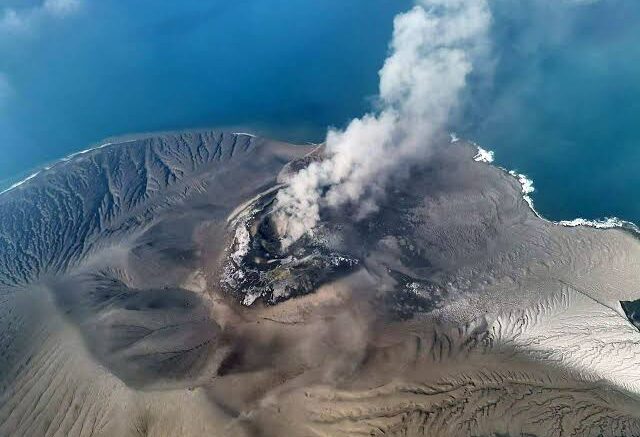
JAKARTA, Indonesia — Mount Anak Krakatau erupted in Indonesia’s Sunda Strait, sending volcanic ash across parts of western Indonesia and causing widespread disruption to air travel.
As of Monday, September 7, seven Indonesian airports remained temporarily closed because of volcanic ash from the eruption, including airports serving the Jakarta area. Authorities extended the closures as they continued assessing aviation safety and cleaning airport facilities affected by ash.
The disruption has affected approximately 341,000 travelers, while nearly 3,000 flights have been canceled or delayed, according to Reuters. The ash cloud has reached altitudes of up to around 50,000 feet in some areas, creating a serious risk for aircraft operations.
Volcanic Ash Forces Flight Disruptions
Volcanic ash can pose significant dangers to aircraft because fine particles can enter jet engines and affect critical aircraft systems. For this reason, Indonesian authorities have taken a cautious approach by temporarily suspending operations at affected airports.
Soekarno-Hatta International Airport, Jakarta’s main international gateway, has been among the airports affected by the eruption. Passengers have faced cancellations, delays and changes to their travel plans as airlines respond to the changing volcanic ash conditions.
The situation remains dynamic because wind direction can change the movement of volcanic ash. Authorities are therefore continuing to monitor atmospheric conditions before allowing normal flight operations to resume.
Ashfall Reaches Populated Areas
The impact of the eruption has extended beyond airports. Volcanic ash has fallen in several areas of western Indonesia, including parts of Java and surrounding regions.
Authorities have urged residents in affected areas to remain calm and take precautions, particularly when ash is present in the air. Schools in some affected areas have also shifted temporarily to remote learning as authorities respond to the environmental conditions.
Residents are advised to follow official information and limit unnecessary outdoor activities when ash concentrations are high. Wearing a mask can also help reduce exposure to airborne volcanic particles.
Authorities Continue to Monitor Anak Krakatau
Mount Anak Krakatau is located in the Sunda Strait between Java and Sumatra and is one of Indonesia’s active volcanoes.
The volcano has a particularly notable history. Anak Krakatau emerged from the caldera left by the catastrophic 1883 Krakatau eruption. In December 2018, another major eruption and collapse of Anak Krakatau triggered a tsunami that struck coastal areas of Banten and Lampung.
Indonesian authorities continue to monitor the volcano and surrounding conditions closely. Officials have warned that further volcanic activity remains possible.
For travelers with flights to or from affected Indonesian airports, authorities and airlines are advising passengers to check their latest flight status before heading to the airport.
The situation is expected to remain under close observation as Indonesia continues to assess the impact of the eruption and volcanic ash on aviation and communities.
Be the first to comment on "Anak Krakatau Eruption Disrupts Flights Across Indonesia as Volcanic Ash Spreads"